 By carl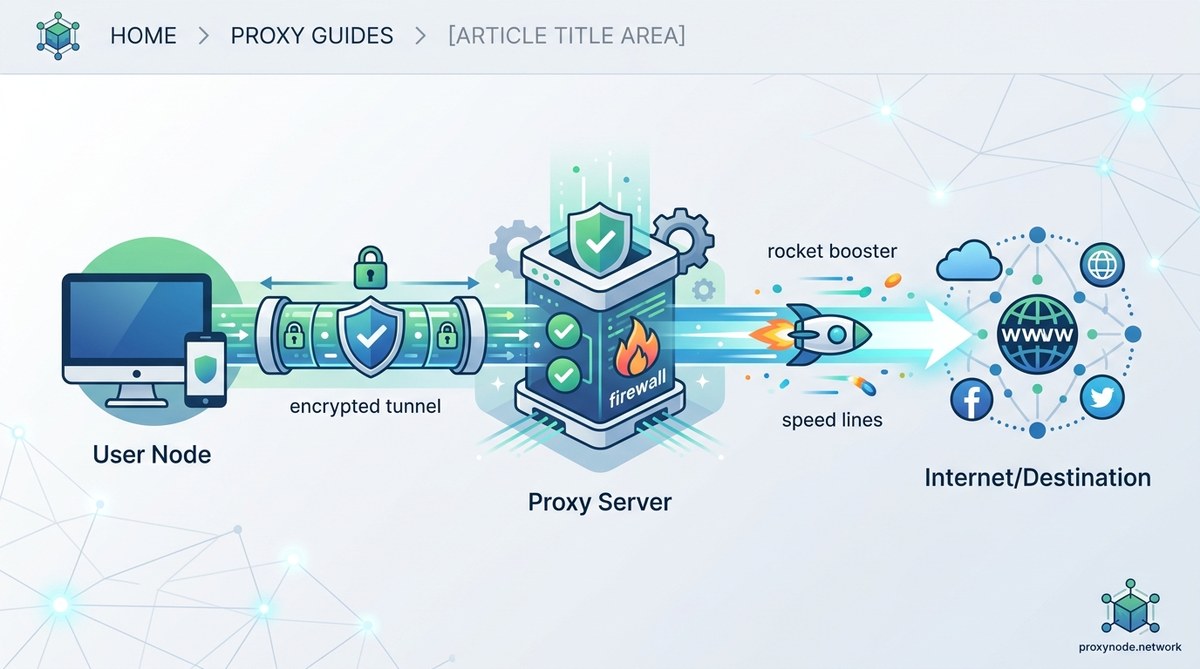
Proxies are often seen as essential tools in today’s digital world. They act as intermediaries, sitting between your device and the websites you visit. But beyond just masking your IP address, proxies can significantly enhance your internet security while maintaining fast browsing speeds. For IT professionals and cybersecurity buffs, understanding how to use proxies responsibly can make a real difference in defending digital assets without sacrificing performance.
Proxies serve as a vital link between your device and online resources, shielding your data and identity. When configured properly, they can offer robust security and blazing-fast browsing speeds, making them invaluable for security-conscious users and IT experts alike.
How proxies improve online security and browsing speed
Proxies are often associated with privacy, but their role in security and performance is equally vital. By routing your traffic through a proxy server, you gain multiple layers of protection. This setup can prevent malicious attacks, block unwanted content, and even optimize bandwidth. The secret lies in the different types of proxies and how to deploy them responsibly.
The security benefits of using proxies
Proxies act as gatekeepers. They can block access to dangerous websites, filter out malware, and prevent cyber threats from reaching your device. They also help in masking your IP address, making it harder for hackers or data collectors to track your online movements. This protection is especially useful for organizations managing sensitive information or for users concerned about privacy breaches.
“Using a proxy server is like having an extra security checkpoint on your network. It filters out threats before they reach your device,” advises cybersecurity expert Lisa Tran.
Types of proxies and their impact on security and speed
Different proxy types serve distinct purposes. Understanding these can help you choose the right setup for your needs.
| Technique | How it works | Common use cases | Pros | Cons |
|---|---|---|---|---|
| Transparent proxy | Intercepts traffic without modification | Caching, content filtering | Fast, simple to deploy | No privacy protection |
| Anonymous proxy | Hides your IP but reveals it’s a proxy | Privacy browsing | Better privacy | Slightly slower |
| High anonymity (elite) proxy | Conceals IP and proxy use | Sensitive tasks, security | Best privacy, security | More complex setup |
| Reverse proxy | Handles incoming requests for servers | Load balancing, security | Protects web servers | Can introduce latency |
Choosing the right proxy type depends on your security goals and speed requirements. For maximum privacy and protection, high anonymity proxies are ideal. For speed optimization, transparent proxies can cache content and reduce load times.
How to set up proxies for optimal security and performance
Getting the most out of proxies involves a clear process. Follow these steps:
- Identify your needs. Determine whether you want to mask your IP, filter content, or improve speed.
- Choose the right proxy type. Based on your needs, select transparent, anonymous, or high anonymity proxies.
- Configure your device or network. Adjust browser or system proxy settings, or set up proxies on routers for whole-network coverage.
- Implement encryption and access controls. Use secure protocols like SOCKS5 and apply strict access policies to prevent misuse.
- Monitor and update regularly. Keep your proxy configurations current, and watch for signs of misuse or breaches.
Practical tips for responsible use
- Always verify your proxy provider’s reputation. Free proxies can be risky, sometimes logging or leaking data.
- Combine proxies with VPNs for added security, especially when handling sensitive data.
- Avoid proxies that compromise speed by overloading or misconfiguring servers. Load balancing proxies can help distribute traffic evenly.
- Regularly test your setup using tools that check for IP leaks and WebRTC leaks to ensure your privacy remains intact.
Techniques and common mistakes to avoid
| Technique | Mistake | Impact | How to avoid |
|---|---|---|---|
| Using free proxies | Relying on unreliable providers | Data leaks, slow speeds | Choose reputable paid proxies or set up your own server |
| Not encrypting traffic | Using unprotected proxies | Man-in-the-middle attacks | Always use secure protocols like SOCKS5 with encryption |
| Overloading proxies | Too many users on one server | Reduced performance | Use load balancing proxies or distribute traffic |
| Ignoring updates | Outdated proxy software | Security vulnerabilities | Keep your proxy software and configurations updated |
Best practices for proxies in cybersecurity
Proxies are powerful, but they must be used responsibly. Here are some expert tips:
“Always pair proxies with strong authentication and encryption. Never rely solely on a proxy for security,” notes cybersecurity strategist Mark Johnson.
- Regularly audit your proxy logs for suspicious activity.
- Use multi-layered security, combining proxies with firewalls, VPNs, and endpoint protections.
- Educate users on safe proxy practices to prevent accidental leaks or misconfigurations.
The future of proxies in online security
As cyber threats evolve, so do proxy technologies. Rotation proxies, which change IP addresses frequently, are becoming more popular for evading detection and maintaining anonymity. Similarly, AI-driven proxy management can optimize performance and security dynamically. Expect more integrations that allow proxies to adapt to network conditions in real-time.
Staying safe with proxies: a practical guide
Proxies are a tool, not a magic shield. When configured correctly, they can significantly boost your online defenses without slowing browsing speeds. For IT professionals and cybersecurity buffs, responsible deployment involves choosing the right type, maintaining configurations, and combining proxies with other security measures.
A friendly reminder for responsible proxy use
Always prioritize trustworthy providers, keep your software updated, and test your setup regularly. While proxies can mask your identity and filter threats, they are most effective when integrated into a comprehensive security strategy. Use proxies to enhance your defenses and enjoy fast, safe browsing experiences.
How to build a resilient online security stance with proxies
Proxies are versatile and powerful. They can mask your IP address, filter harmful content, and optimize network traffic. When used responsibly, they help you stay protected in a fast-changing digital landscape. By understanding their capabilities and limitations, you can craft a security setup tailored to your needs.
Remember, online security is a journey, not a destination. Incorporate proxies thoughtfully into your security toolkit, keep configurations current, and stay informed about new developments. Your online safety depends on proactive, smart choices.
Happy browsing securely and swiftly.