 By carl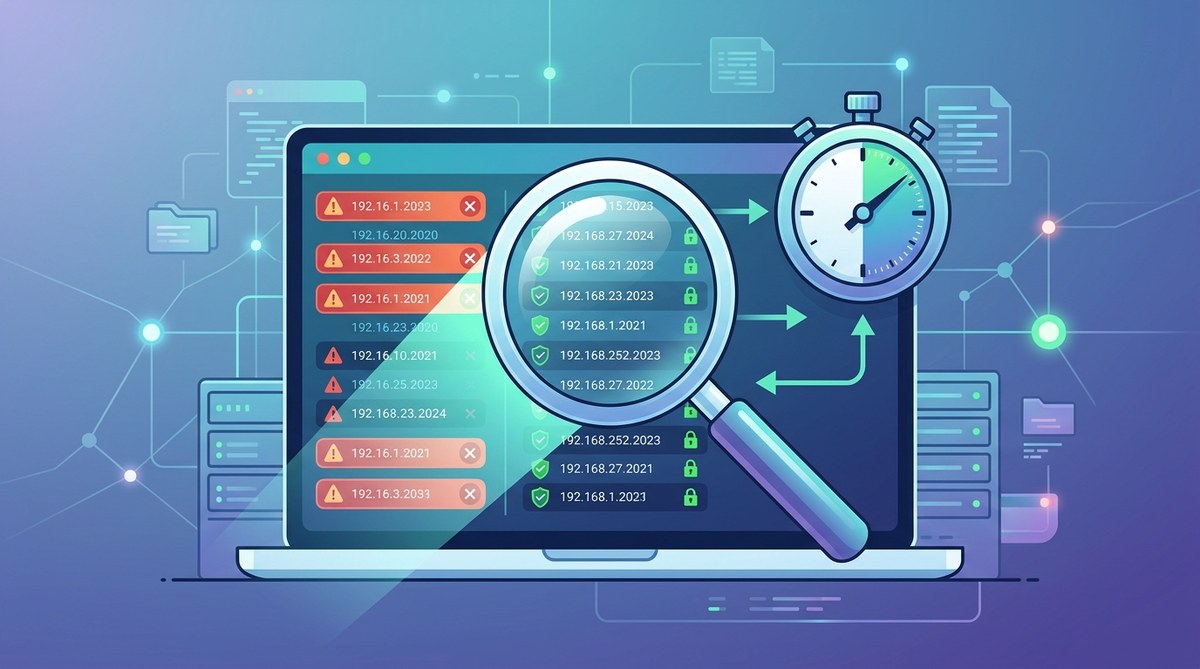
You just found a massive free proxy list. 1,000 IPs, all fresh, all yours for the taking. Your heart skips a beat. You load them into your tool, and… nothing. Timeout. Connection refused. Or worse, you get a strange redirect. We have all been there. The internet is full of proxy lists that look good on screen but are completely useless or even dangerous. The good news is you do not need to test every single IP to know the list is trash. You can spot a fake proxy list in under 30 seconds using a few simple visual tricks and logical checks.
Fake proxy lists waste your time and risk your security. In under 30 seconds, you can spot one by checking port diversity, formatting consistency, and update timestamps. Look for red flags like all IPs on the same port, impossible update frequencies, or missing protocol labels. This guide covers the visual cheat codes that separate real proxy lists from fake ones, helping you filter out junk before you test a single connection.
The Visual Scanner (Reading the List Itself)
Before you even copy a single IP address, look at the raw data. Fake lists usually look too perfect or completely random. Real proxy lists, especially those aggregated from live sources, have a specific fingerprint. Here is what to scan for in ten seconds:
- One port to rule them all: A legitimate list will have diverse ports (8080, 3128, 80, 1080). If every single IP uses port 8080, it is highly likely a generated or recycled list. Bad actors do this because 8080 is a common default, so they just append it to random IPs.
- Missing protocol labels: If the list shows
IP:Portonly with nohttp://,https://, orsocks5://label, it is probably a dump from an outdated source. Real lists care about protocols because real proxies enforce them. - Sequential IPs: If the IPs are in strict sequential order (e.g.,
192.168.1.1,192.168.1.2,192.168.1.3), you are likely looking at a generated data center range being passed off as residential proxies. Real residential IPs are randomly distributed. - Formatting chaos: Glance at how the data is structured. If columns are misaligned, ports are missing, or weird characters pop up, the list was scraped poorly or generated by a sloppy bot. Reliable sources maintain clean, consistent formatting.
The 30 Second Validation Drill
Once the visual scanner passes, run these three checks. You can do this while standing in line for coffee. This is the real deal.
-
Ping the first five IPs. Open your terminal or command prompt. Ping the first five IPs on the list. If all five are dead instantly (100% packet loss), the list is old or fake. A real list usually has a 20-30% mortality rate, but not 100%. A completely dead list is a wasted effort.
-
Check the update timestamp. Look at when the list claims it was “last updated.” If it says “Updated every minute” but you revisit an hour later and the IPs are identical, it is a static list being marketed as fresh. This is a common trick to make you think you are getting new data.
-
Cross reference the top IP. Take one IP and look it up on AbuseIPDB or VirusTotal. If the IP has a terrible reputation or is flagged for malware distribution, assume the entire list is polluted. Seeders often “poison” lists with malicious IPs to catch people who skip this step.
The Anatomy of a Scam List
Let us break down the specific techniques bad actors use to pad these lists and how to recognize each one instantly.
| Scam Technique | How It Looks | Why It Is Fake |
|---|---|---|
| The Port Dump | 1000 IPs, all on port 80 or 8080. | Real proxies have diverse port configurations. This is often a recycled list from a single source. |
| The Timestamp Reset | Date shows current time, but IPs are months old. | The host is faking the “freshness” to get you to use stale, unsecured IPs. |
| The Missing Protocol | List has IP:Port only, no http:// or socks5://. |
Legitimate services always specify the protocol. Missing it means it was scraped or generated. |
| The Data Center Flood | IPs are all from well known cloud providers (AWS, DigitalOcean, Google Cloud). | These are easily blocked and have datacenter reputations. Not true residential or anonymous proxies. |
| The Perfect Uptime | List claims 99.9% uptime for free proxies. | No free proxy has 99.9% uptime. This is a lie used to sell access or collect users. |
The Hidden Danger of Fake Lists
It is one thing to waste ten minutes on dead proxies. It is another thing entirely to use a malicious one and lose your credentials.
“A fake proxy list is the digital equivalent of a poisoned well. Even if you only drink from it once, you may expose your entire system to a man in the middle attack, credential theft, or malware injection. The effort of vetting a list takes 30 seconds. The effort to recover from a breach takes weeks.” – ProxyNode Security Team
Do not assume that just because a list is popular on a forum or has a nice website, it is safe. Many of these lists are specifically designed to target developers and privacy enthusiasts who are less cautious because they “know what they are doing.”
Building a Safer Proxy Routine
Knowing how to spot a fake proxy list is the first line of defense. The next step is building a workflow that prioritizes safety over speed. If you plan to use free proxies regularly, you need a reliable process.
I highly recommend reading our guide on How to Safely Use Free Proxy Lists Without Compromising Your Privacy to build on these fundamentals. Also, understanding the difference between a Residential vs Datacenter Proxy will help you know exactly what you are looking for in a list before you even start scanning.
If you ever feel like you are wasting time on faulty setups, our guide on 7 Common Proxy Errors and How to Fix Them Fast will help you troubleshoot issues without pulling your hair out.
Trust Your Tools, Verify Your Sources
The proxy landscape in 2026 is more crowded than ever. Everyone wants your traffic data, and fake lists are a commodity for data harvesters. By taking 30 seconds to run this checklist, you save yourself hours of debugging and potentially a massive security headache.
Do not just trust the list. Trust the process. Verify the ports, check the timestamp, scan the sequence, and test the IPs. Your privacy is worth the half minute it takes to spot the scam. Stay sharp out there.