 By carl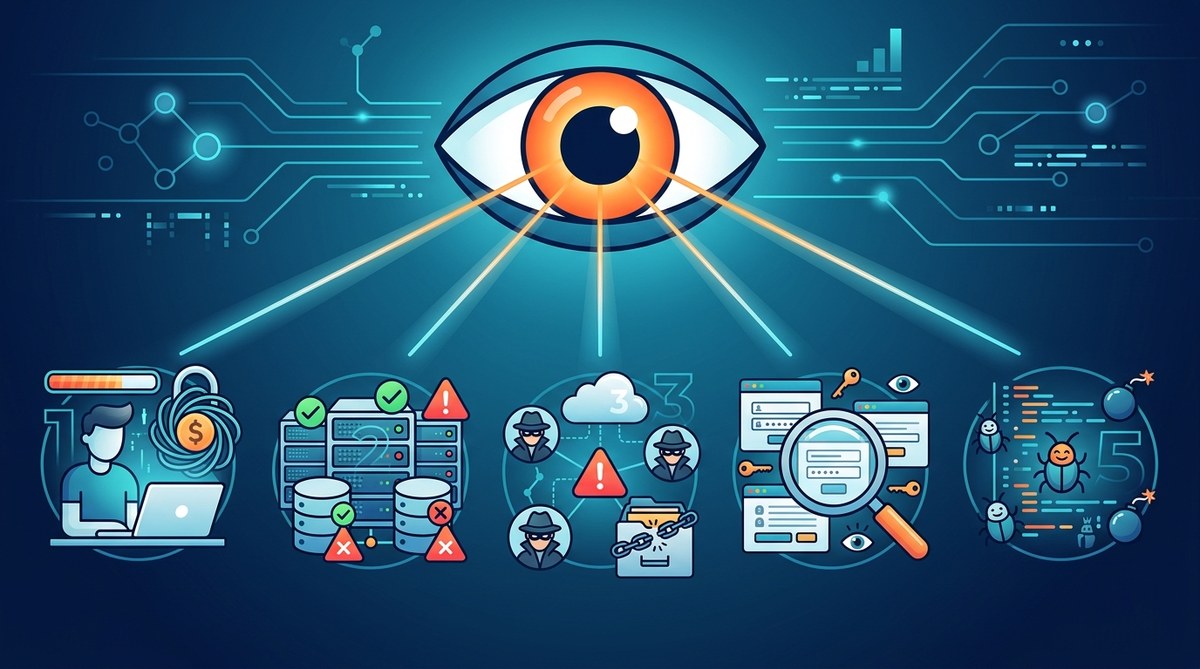
You found a free proxy list on Reddit. The connection is faster than you expected. You can finally access that region-locked video or browse without your ISP watching. It feels like a win.
But while you are patting yourself on the back, someone else might be patting themselves on the back too. The person running that proxy server.
Free proxies have a dirty secret. They look like a tool for privacy, but many of them are actually built to invade it. The moment you route your traffic through a stranger’s server, you are handing over the keys to your digital life. Most casual users never stop to think about what happens on the other end of that connection. Let’s fix that.
Free proxy sites trade on your trust while often logging every site you visit, injecting malware into your browser, and selling your bandwidth to shady third parties. You get zero encryption, zero accountability, and a high chance of identity theft. In 2026, the risks far outweigh the temporary illusion of anonymity. A paid proxy or VPN is the only real way to protect your data.
What’s the Real Cost of “Free”?
When a service costs you nothing, you are not the customer. You are the product. That old saying exists for a reason, and it applies perfectly to free proxies.
Running a proxy server costs money. Server hardware, bandwidth, electricity, and maintenance all add up. So how do free proxy operators pay those bills? They do it by monetizing your traffic.
Some operators sell your browsing data to advertisers. Others inject their own ads into websites you visit. And the worst ones do something far more dangerous. They capture your login credentials, session cookies, and personal information. Your free proxy might actually be a sophisticated phishing operation disguised as a helpful tool.
To understand the full scope of what you are risking, check out a detailed breakdown of what happens to your data when you connect to a free proxy server.
Five Risks That Should Make You Think Twice
Let’s move past the general warnings and get specific. Here are the real, proven risks that come with using any free proxy service.
1. Your Traffic Travels in Plain Text
Most free proxy servers do not encrypt your data. None. When you connect through a standard HTTP proxy, every byte you send and receive is visible to the server operator. That includes passwords, credit card numbers, private messages, and banking details.
If you are logging into your email, your bank, or your Amazon account through a free proxy, you might as well paste your password into a public chat room. The operator can see everything.
2. Your Data Gets Logged and Sold
Free proxy operators have no incentive to keep your data private. In fact, they have every incentive to collect it. Many run detailed logs that record every URL you visit, every search you make, and every file you download.
These logs get sold to data brokers, marketing firms, and sometimes even worse actors. This is not speculation. Researchers have repeatedly caught free proxy services logging and exposing user data. For a closer look at how this happens, read about how free proxy servers log everything you do online.
3. Malware and Ad Injection Are Common
Your browser trusts the proxy server to deliver web pages. That trust gets abused constantly. Free proxies can modify the HTML, JavaScript, and images they pass back to you.
They might inject crypto mining scripts that use your computer’s processing power. They might insert malicious ads that trick you into downloading fake software updates. Or they could redirect you to phishing pages that look identical to your bank’s login portal.
In 2026, browser-based attacks are more sophisticated than ever. A free proxy is a perfect delivery system for them.
4. Session Hijacking and Cookie Theft
Even if you use HTTPS, your session cookies can still be exposed. A proxy sits between you and the websites you visit. It can see the traffic patterns, intercept cookies, and hijack your active sessions.
This means someone could steal your logged-in session for Facebook, Gmail, or even your online banking. They would not need your password. They would just steal the cookie that says “this user is already authenticated.” This is one of the sneakiest ways hackers exploit free proxy servers to steal credentials.
5. Unreliable Performance and Shutdowns
Free proxies vanish without warning. You might find a working server today, but tomorrow it could be gone. The operator might have shut it down, or it could have been blacklisted by websites.
Because free proxies are usually overcrowded, you will face slow speeds, frequent disconnections, and error pages. This is not a small inconvenience. If the proxy drops mid-session while you are doing something sensitive, your real IP address leaks out. A paid service provides stability. A free one gives you a ticking clock.
Free Proxy vs Paid Proxy: A Side by Side Look
Let’s put the differences into plain numbers and facts.
| Feature | Free Proxy | Paid Proxy (or VPN) |
|---|---|---|
| Encryption | Almost never | Always included |
| Logging policy | Unknown or hostile | Published and audited |
| Speed | Overcrowded and slow | Dedicated bandwidth |
| Malware risk | High | Near zero |
| Customer support | None | 24/7 or ticket-based |
| Reliability | Drops constantly | Uptime guarantees |
| Data selling | Common practice | Prohibited by terms |
If you value your privacy, the choice is clear. For a deeper comparison, see the full breakdown of free proxy vs paid proxy and which one actually protects you.
How to Spot a Dangerous Free Proxy
Not all free proxies are equally bad. Some are run by well-meaning hobbyists who do not log data. Others are outright traps. The hard part is telling them apart before you connect.
Here are red flags that scream “stay away”:
- The proxy does not support HTTPS connections
- The website hosting the proxy list looks abandoned or spammy
- You are asked to download software or a browser extension to use the proxy
- The proxy injects ads or pop-ups into pages you visit
- The operator has no privacy policy or terms of service
- The proxy is listed on a forum with zero reputation or user feedback
- You notice your browser behaving strangely after connecting
For a more complete list of warning signs, read the guide on 7 red flags that your free proxy list is stealing your data.
Three Steps to Test a Proxy Before Trusting It
Let’s say you absolutely must use a free proxy for a low-risk task. There are ways to reduce the danger, but they require effort. Follow these steps before you route any real traffic through a stranger’s server.
-
Check for HTTPS support. Connect to the proxy and visit a site like whatismyip.com. If the connection is not encrypted, disconnect immediately. The proxy cannot see your traffic if you use HTTPS-only browsing, but it can still see the domains you visit.
-
Use a disposable device or VM. Never use a free proxy on your main computer or phone without isolation. Spin up a virtual machine, use a live boot USB, or at the very least use a browser in private mode with all extensions disabled.
-
Monitor your traffic. Use a tool like Wireshark or a browser’s developer tools to see what the proxy is sending back. Look for injected scripts, redirects to unknown domains, or extra HTTP headers. If anything looks suspicious, kill the connection.
To see if your current proxy is already leaking data, try the step-by-step method described in how to test if your free proxy is actually safe.
“A free proxy is like handing a stranger your phone and asking them to read your messages out loud. The only difference is that with a proxy, the stranger also controls what the messages say.”
— Security researcher, 2026
What You Should Use Instead
The alternative to a free proxy is not necessarily an expensive one. There are affordable paid proxies and VPNs that cost less than a coffee per month. They offer encryption, no logging, and real customer support.
You also have other options depending on your needs.
- Use a reputable VPN. A VPN encrypts all your traffic, not just browser traffic. It is the most complete solution for privacy.
- Try a paid proxy service. Residential proxies or datacenter proxies from a known provider give you control without the risk.
- Use Tor Browser. For occasional anonymous browsing, Tor is free and safer than any free proxy. It is not as fast, but it does not sell your data.
- Set up your own proxy. If you have basic technical skills, you can rent a cheap VPS and run your own private proxy. That costs money, but it gives you full control.
If you decide to go the paid proxy route, make sure you understand the difference between proxy types. The guide on residential vs datacenter proxies can help you choose the right one.
Your Privacy Deserves Better Than a Gamble
Free proxies are a gamble where the house always wins. You might get a few minutes of unblocked content, but you risk exposing your passwords, your browsing history, and your identity to strangers with unknown motives.
In 2026, online threats are more advanced than ever. Data brokers have refined their methods. Hackers have automated their tools. And free proxy operators have gotten very good at hiding their real intentions behind a simple, helpful interface.
You do not have to be an expert to protect yourself. You just have to stop treating free proxy lists as a harmless shortcut. Every time you connect through a free proxy, you are trusting someone you have never met with your most private data. That trust is almost always misplaced.
Take control instead. Use a paid service. Set up your own proxy. Learn the basics of browser fingerprinting and DNS leaks. Your digital life is worth the small investment.