 By carl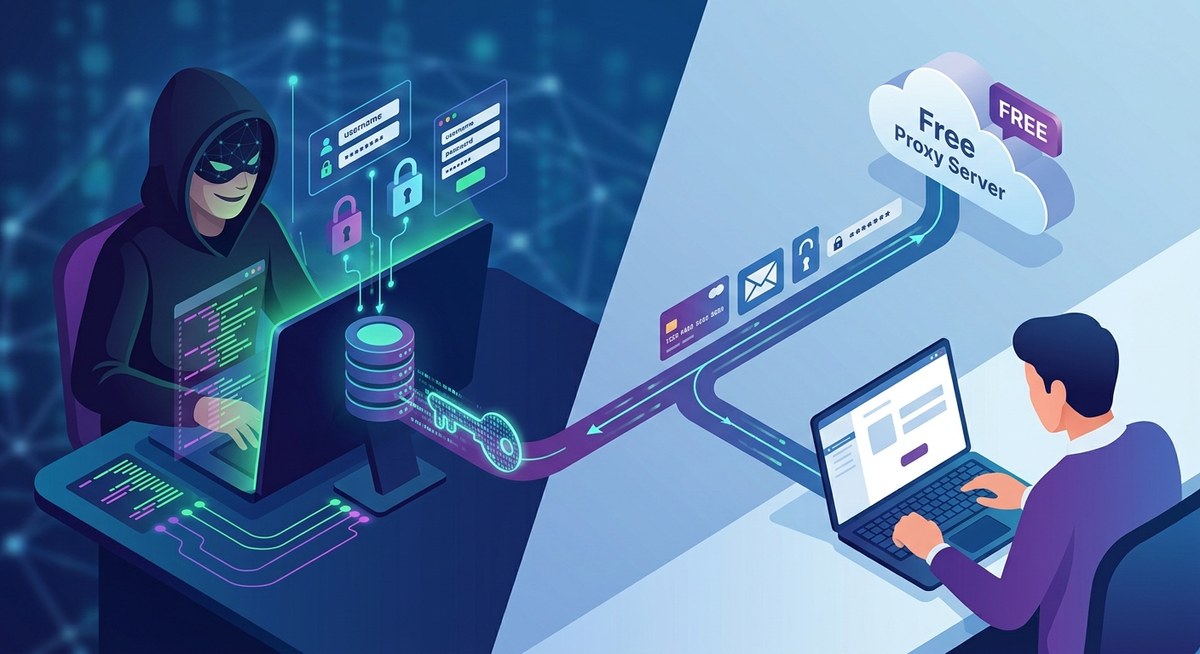
Accessing the internet through proxy servers is common. Many use free proxies for privacy or to bypass restrictions. But cybercriminals also exploit these proxies to target users. Understanding how hackers manipulate proxy servers to steal credentials is crucial for cybersecurity professionals and tech-savvy individuals. This knowledge helps in designing defenses and conducting thorough threat assessments.
Hackers exploit vulnerabilities in proxy servers to intercept login data. They often use man-in-the-middle attacks, malicious proxies, or traffic monitoring to steal user credentials. Recognizing these tactics allows security teams to implement stronger defenses and educate users on safe proxy practices.
How Proxy Servers Become Targets for Credential Theft
Proxy servers act as intermediaries between users and websites. They route user requests, mask IP addresses, and can provide anonymity. However, their role makes them attractive targets for cybercriminals. Attackers aim to manipulate or intercept traffic to steal sensitive information like login credentials.
Some proxies, especially free ones, lack robust security measures. These are often poorly configured or unencrypted. This makes it easier for hackers to exploit their weaknesses. They may also set up malicious proxies designed to mimic legitimate ones, trapping unsuspecting users.
Common Techniques Hackers Use to Exploit Proxy Servers
1. Man-in-the-middle (MITM) attacks
In a MITM attack, hackers position themselves between the user and the proxy server. If the connection isn’t encrypted, they can intercept all data passing through. This includes usernames, passwords, and session tokens.
Practical process to defend against MITM attacks:
- Always use proxies with SSL/TLS encryption.
- Check for HTTPS in the URL before entering credentials.
- Use a VPN combined with proxies for added security.
2. Malicious or compromised proxies
Cybercriminals set up fake proxy servers that appear legitimate. When users connect, their traffic passes through these malicious proxies. The proxies then log or alter data, capturing credentials or injecting malware.
Practical steps to avoid malicious proxies:
- Only connect to verified proxies from trusted providers.
- Avoid free proxies that lack transparency.
- Use internal or enterprise proxies with strict security policies.
3. Traffic monitoring and packet sniffing
Hackers can monitor unencrypted traffic passing through open or poorly secured proxies. They use packet sniffers to capture data packets, extracting login details from unprotected requests.
Techniques to mitigate this risk:
- Enable end-to-end encryption on all proxy connections.
- Avoid submitting credentials over unsecured proxies.
- Regularly audit network traffic for unusual activity.
4. Exploiting proxy misconfigurations
Many free or improperly maintained proxies have misconfigurations that hackers exploit. These might include weak authentication methods, open ports, or outdated software.
How to reduce configuration risks:
- Regularly update proxy software.
- Disable unnecessary services or ports.
- Enforce strong authentication mechanisms.
5. Phishing through proxy redirect attacks
Attackers can redirect users to fake proxy login pages that resemble legitimate ones. Users unaware of the scam input their credentials, which the hackers then steal.
Protective measures:
- Use trusted certificate authorities for proxy pages.
- Educate users to verify URL authenticity.
- Implement multi-factor authentication to limit damage.
Mistakes That Enable Proxy Exploitation
| Technique or Mistake | Explanation |
|---|---|
| Connecting to unsecured proxies | Data can be intercepted or altered easily. |
| Using outdated proxy software | Known vulnerabilities remain unpatched. |
| Ignoring SSL/TLS encryption | Unencrypted traffic is vulnerable to eavesdropping. |
| Trusting free proxies blindly | They may be malicious or logging data. |
| Not verifying proxy authenticity | Leads to falling for fake or compromised proxies. |
How to Protect Credentials When Using Proxies
- Always opt for reputable proxy providers that use strong encryption.
- Enable multi-factor authentication on all login portals.
- Regularly update all proxy-related software and configurations.
- Use a VPN in conjunction with proxies for layered security.
- Educate users to recognize phishing attempts and suspicious proxy links.
“Security is a layered approach. Relying solely on proxies without encryption or verification leaves a door open for attackers.” — Cybersecurity expert Jane Doe
Practical Steps for Defending Against Proxy-Based Credential Theft
- Choose trusted proxies with clear security policies.
- Always use HTTPS when connecting through proxies.
- Implement end-to-end encryption for sensitive data.
- Regularly audit network traffic for signs of interception.
- Educate users about risks associated with free or unverified proxies.
- Deploy multi-factor authentication to add an extra layer of security.
- Stay updated on proxy security best practices and patches.
Common Mistakes to Avoid
- Connecting to free proxies without checking their security.
- Ignoring SSL/TLS encryption warnings.
- Using weak passwords or single-factor authentication.
- Failing to audit proxy logs for suspicious activity.
- Relying solely on proxies for security without additional layers.
Techniques and Mistakes Clarified
| Techniques | Mistakes |
|---|---|
| Intercepting unencrypted traffic | Using proxies without SSL/TLS. |
| Fake proxy servers | Connecting blindly to unknown proxies. |
| Traffic monitoring | Not encrypting data in transit. |
| Proxy misconfigurations | Failing to keep software updated. |
| Phishing via fake login pages | Not verifying website URLs. |
How to Recognize Signs of Proxy Exploitation
- Unusual login activity from unknown IPs.
- Sudden appearance of suspicious proxy or VPN connections.
- Reports of credentials being compromised unexpectedly.
- Browser redirects to unknown or malicious sites.
- Slow or erratic network performance during proxy use.
Final Thoughts on Staying Ahead of Proxy-Based Attacks
Using proxies responsibly and securely demands awareness of potential threats. Hackers actively exploit vulnerabilities in proxy servers to intercept credentials. Implementing strong encryption, verifying proxy authenticity, and educating users go a long way in safeguarding sensitive data. Remember that layered defenses are essential. Staying vigilant and proactive helps keep your systems and credentials safe.
By understanding the tactics hackers employ and avoiding common pitfalls, you can better protect yourself and your organization. Always prioritize verified, encrypted proxy services and stay informed about emerging threats. Taking these steps ensures you remain one step ahead of cybercriminals exploiting proxy vulnerabilities.
Stay cautious when using proxies, especially free ones. Implement strong security measures, verify the sources you connect to, and stay updated on the latest cybersecurity practices. Your credentials are valuable. Protect them wisely.